The Future of Restaurants in 2025: Technology Meets Dining
The restaurant industry has been evolving at a rapid pace, and it’s clear that technology is playing a bigger role than ever before. As we look toward 2025, it’s exciting to imagine how restaurants will look, how we’ll interact with them, and what innovations will shape the way we eat. Let’s dive into what the restaurant business might look like in the next few years!


Vikram Gajagouni


AI-Powered Dining Experiences
In 2025, AI will revolutionize how we experience dining. Imagine walking into a restaurant and being greeted with a personalized menu based on your previous visits and dietary preferences. AI will suggest dishes you’ll love, recommend wine pairings, and even offer nutritional details right at your fingertips. Ordering will be more streamlined, with systems that automatically place your order based on past preferences and daily specials.
Smart Kitchens
Behind the scenes, AI will help chefs work smarter, not harder. Smart kitchen tools will track inventory, suggest recipes based on available ingredients, and even predict popular menu items to reduce food waste. This technology will make the kitchen more efficient, saving time and resources while maintaining quality.
Kiosks and Contactless Dining
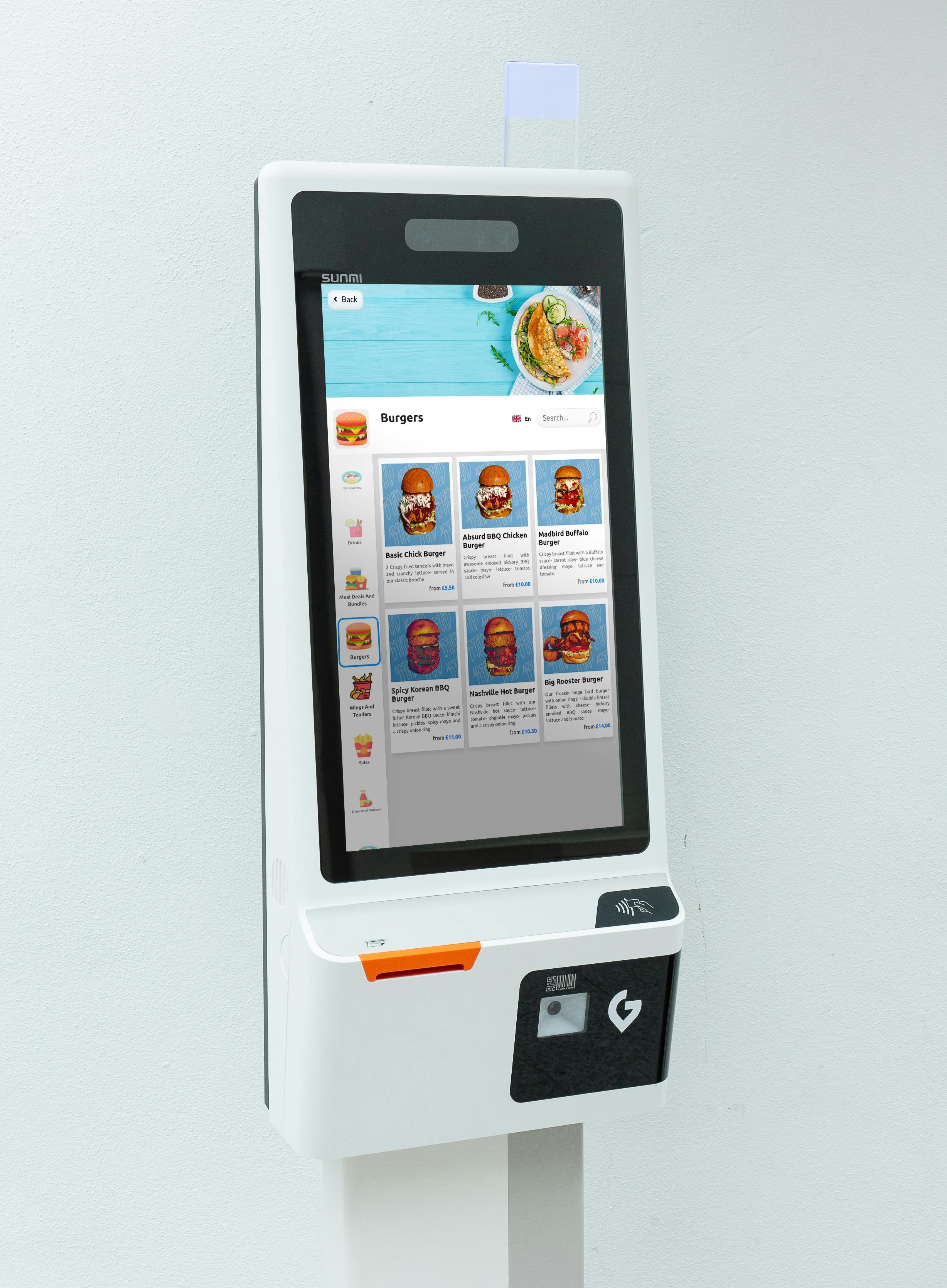
The convenience of contactless dining, accelerated by the pandemic, will be the norm in 2025. Alongside smartphones, self-service kiosks will become more popular in restaurants. These digital ordering stations will allow customers to browse menus, place orders, and pay without having to interact with staff. QR codes on tables will still be widely used for browsing menus directly on your phone, but kiosks will offer another level of convenience for those who prefer a touchpoint experience. Whether it's at a fast-casual spot or a fine-dining venue, kiosks will speed up the ordering process and improve efficiency. Payments will also be simple, with options like Apple Pay, Google Wallet, and even cryptocurrencies.
Hyper-Personalized Menus and Healthier Options
In 2025, restaurants will use technology to offer hyper-personalized menus based on individual health goals. Whether you’re following a keto diet or need a post-workout meal high in protein, your meal options will be tailored to fit your needs. Wearable devices like fitness trackers will sync with restaurant apps to suggest dishes based on your activity, sleep, and health data. Restaurants will also cater to various dietary needs, offering gluten-free, dairy-free, and allergen-friendly options with easy-to-read labels.
Virtual and Ghost Kitchens
Ghost kitchens, which focus on delivery and takeout without a physical dining area, will be more common in 2025. These kitchens will allow restaurants to operate more efficiently, reducing overhead costs while providing fast, quality food. With real-time tracking, customers can see exactly when their meal is being prepared and on its way. Virtual restaurants, which exist only online, will also grow in popularity, offering unique menus and focusing on specific cuisines, like vegan or comfort food.
Sustainability Becomes the Standard
By 2025, sustainability will no longer be a trend—it will be an essential part of restaurant operations. Restaurants will use AI and smart tech to reduce waste by predicting ingredient needs and ordering only what’s necessary. Eco-friendly packaging will become the standard, with compostable, recyclable, and even edible packaging replacing plastic. Many restaurants will also offer reusable containers and set up systems for returning them, helping to minimize waste and promote sustainability.
Final Thoughts
Looking ahead to 2025, technology will continue to shape the dining experience in exciting ways. From AI-powered recommendations to contactless ordering and a stronger focus on sustainability, the restaurant industry is set for a transformation. These innovations will make dining more personalized, efficient, and eco-friendly than ever before. The future of dining is here, and it’s all about convenience, health, and sustainability.


